Introduction: A Nation Without a Home
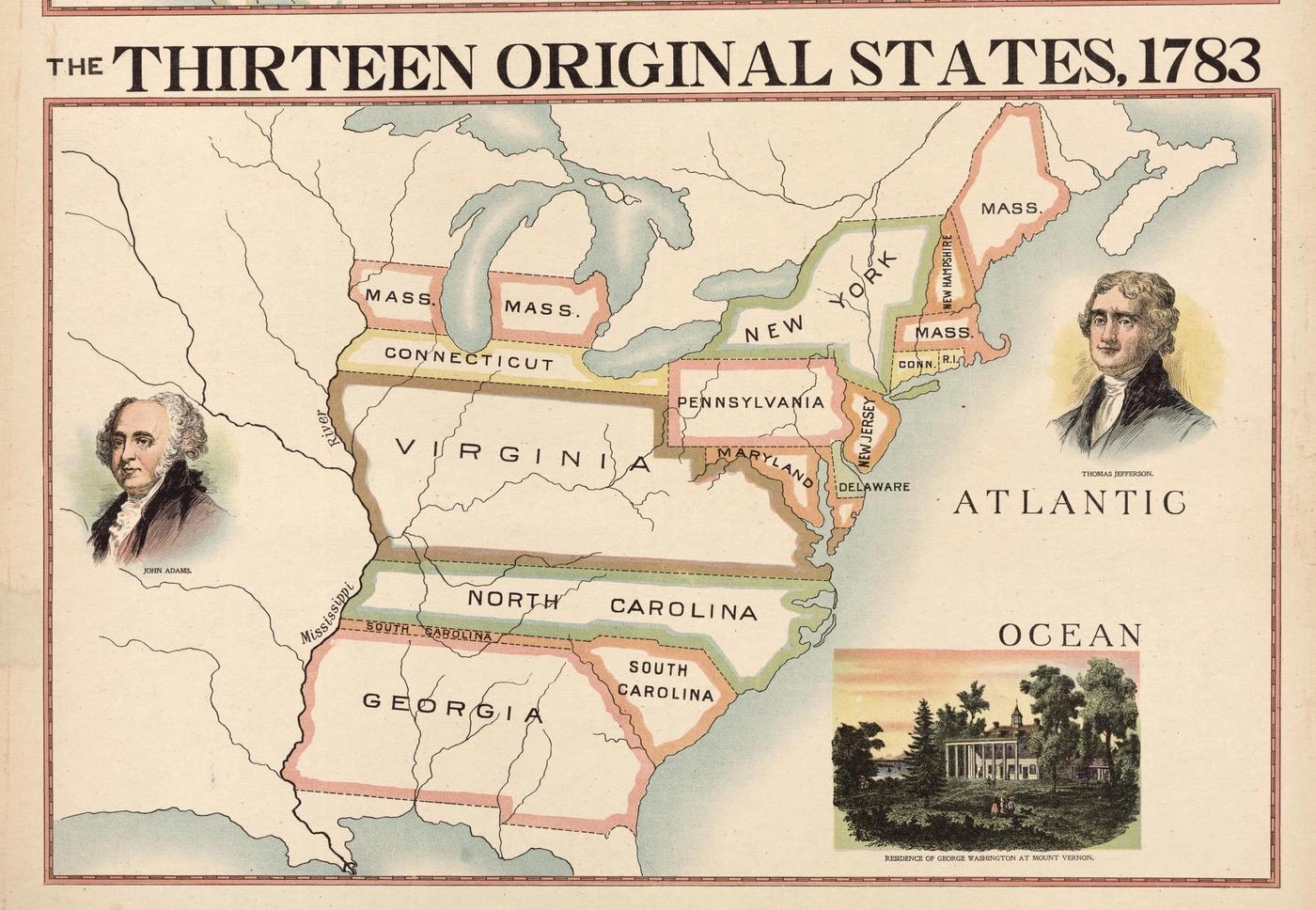
When the thirteen colonies declared independence from Britain in 1776, they created something the world had never seen before — a republic forged not from a single throne city, but from thirteen fiercely independent sovereignties that could barely agree on where to put their own dining table. For more than a decade, the United States of America lurched from city to city with all the dignity of a traveling circus, conducting the business of a nation out of rented halls, borrowed courthouses, and improvised chambers. Philadelphia, Baltimore, Lancaster, York, Princeton, Annapolis, Trenton, New York — eight cities in eleven years served as the temporary home of the Continental Congress. The humiliation was not lost on the founders. A great republic needed a great seat of power. But where, and what would it look like? The answer to that question would take twelve years to materialize in stone and mortar on the muddy banks of the Potomac River.
The story of the White House and the federal capital is not simply a story about architecture or politics. It is a story about national identity, about symbol-making, about the very human desire to say to the world: we are real and we are permanent. The journey from the first session of Congress in March 1789 — when a proposition was first formally offered for a permanent seat of the federal government[1] — to the moment Thomas Jefferson crossed the threshold of the President's House as its second resident in March 1801, is one of the most fascinating, contentious, and oddly comedic episodes in American history. One hundred and forty-four months. From the first spoken word of the idea to the day the third president walked in and made it fully his own.
The Wandering Government: America's Embarrassing Secret
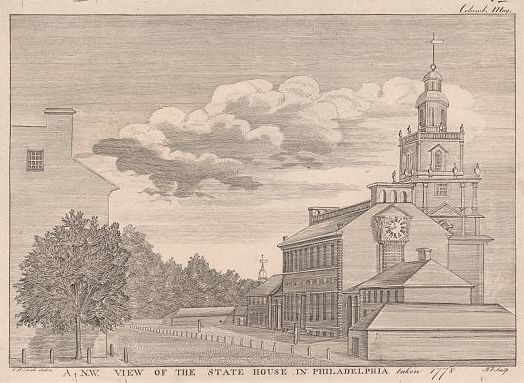
To understand why a permanent capital mattered so desperately, one must first appreciate how genuinely chaotic the situation had become. Under the Articles of Confederation — the original governing document before the Constitution — there was no executive branch, no president, and no permanent home for Congress whatsoever. The delegates traveled constantly, meeting wherever they could, and foreign diplomats who came to meet with American leadership often found the government had literally packed up and left town. In the summer of 1783, a mutiny of unpaid Pennsylvania soldiers surrounded the Pennsylvania State House in Philadelphia, where Congress was sitting, and demanded their wages. Congress sent a desperate message to the state's executive council asking for protection. The council declined. The delegates, humiliated and essentially held hostage, fled Philadelphia under the cover of darkness and reconvened in Princeton, New Jersey.[2]
This episode crystallized a political argument that Alexander Hamilton, James Madison, and others had been making for years: a national government that could not protect itself from a mob was not worthy of the name. The new Constitution, ratified in 1788, gave Congress the explicit power to create a federal district — a ten-mile-square territory ceded by the states, subject to no state government, under the exclusive jurisdiction of Congress itself. This was not merely a practical solution. It was a constitutional guarantee that the federal government would never again be held at the mercy of any state militia or hostile local government.[3]
The Great Compromise: Why the Potomac?
The debate over where to place the permanent capital was not a polite academic discussion. It was a brutal sectional fight, the resolution of which changed American history in ways that echo to this day. Northern states wanted the capital near existing commercial centers — New York or Philadelphia. Southern states feared that a northern capital would tilt federal power toward mercantile interests and away from the agrarian slaveholding economy of the South. The fight was so ferocious that some feared it would shatter the Union before it had properly formed.[4]
The resolution came through one of the most celebrated backroom deals in American political history, known to historians as the Compromise of 1790. The setting, according to Thomas Jefferson's later account, was a dinner at his New York residence in June 1790, where Jefferson brought together Alexander Hamilton and James Madison. Hamilton desperately needed Southern congressional votes for his plan to have the federal government assume the war debts of the states — a financial masterstroke that would create a unified national credit. Madison and the Southerners hated it. The deal struck at that dinner table was elegant in its cynicism: Southerners would provide the votes Hamilton needed for assumption, and in return, the permanent capital would be placed on the Potomac River, squarely between Virginia and Maryland.[5]
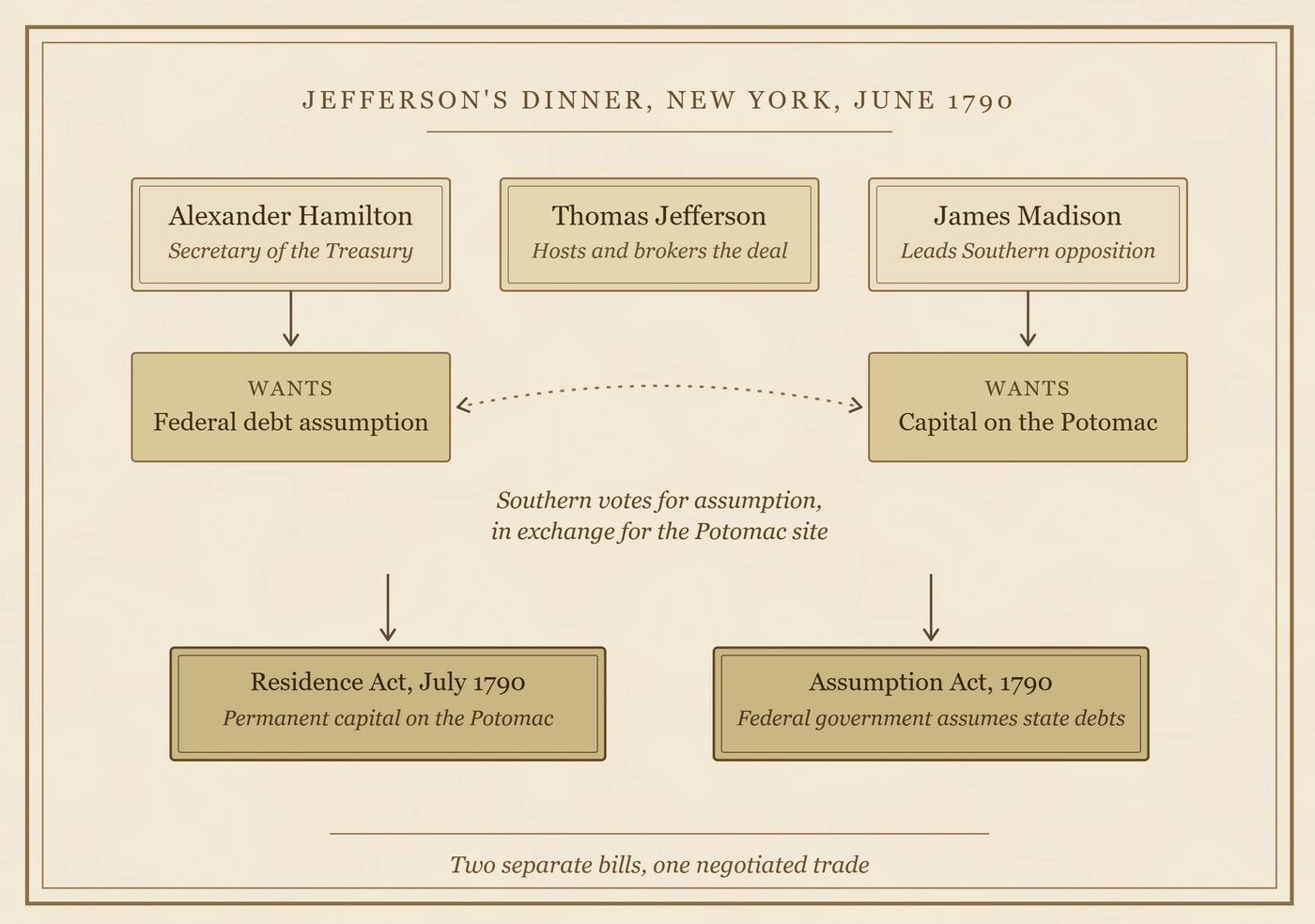
The Residence Act of July 1790 formalized the arrangement, giving President Washington extraordinary authority to select the precise location within an eighty-mile stretch of the Potomac and to appoint commissioners to oversee the creation of the new district.[6] Here a curious, little-told fact emerges: the ten-mile square was not, as many assume, a purely rational choice of geography. George Washington himself was a major Potomac booster — he had spent years trying to promote the river as the great commercial artery of the American interior. He was a shareholder in the Potomac Company, a canal-building enterprise designed to make the river navigable to the Ohio Valley. Placing the capital on the Potomac was, among other things, potentially very good for George Washington's personal investment portfolio. Make of that what you will. [7]
A Question That Wouldn't Go Away
In March 1789, the First Congress convened in New York City and, at that very first session, a proposition was formally offered for fixing a permanent seat of the federal government. Several locations were debated — Trenton, Philadelphia, Germantown, the banks of the Susquehanna, Wilmington, and the eastern bank of the Potomac. The Senate voted to postpone the matter without resolution, but the question was now part of the new republic's political conversation, and it would resurface again and again over the following decade before the Compromise of 1790 finally settled it.[8]
By the time Thomas Jefferson moved into the President's House in March 1801, the matter had at last been put to rest — a span of almost exactly twelve years from that first proposal to full occupancy, which says as much about the grinding pace of early American politics and construction as anything else.[9]
The symbolic weight placed on the new capital was considerable in its own right. Its location between North and South was a deliberate political choice. Its very name — the District of Columbia — invoked Columbus and, through him, the mythology of the New World as something entirely apart from the old monarchies of Europe. Letters, speeches, and sermons of the period are saturated with the language of the City on a Hill — the Puritan vision of America as a republican exemplar to all nations.[10] The White House and the Capitol building were conceived not only as functional government spaces but as arguments in stone and brick that self-government was not only possible but was the natural inheritance of a free people. And the design competition for the President's House was intended to produce a structure that would embody republican simplicity without the monarchical ostentation of European palaces, yet still communicate permanence, authority, and the dignity of a sovereign nation.[11]
The Swamp, the Surveyors, and the City That Did Not Yet Exist
The land chosen for the new federal city was, to put it charitably, not the most inviting real estate in America. The area along the Potomac that Washington selected was a low-lying, mosquito-infested floodplain, characterized by marshy tidal flats, thick forests, and two modest existing settlements: Georgetown in Maryland and Alexandria in Virginia. Foreign diplomats who came to see the new capital under construction were not impressed. One British visitor in the mid-1790s described it as "a city of magnificent distances" — a backhanded compliment meaning that the distances between any two points of interest were magnificent precisely because there was nothing in between them.[12]
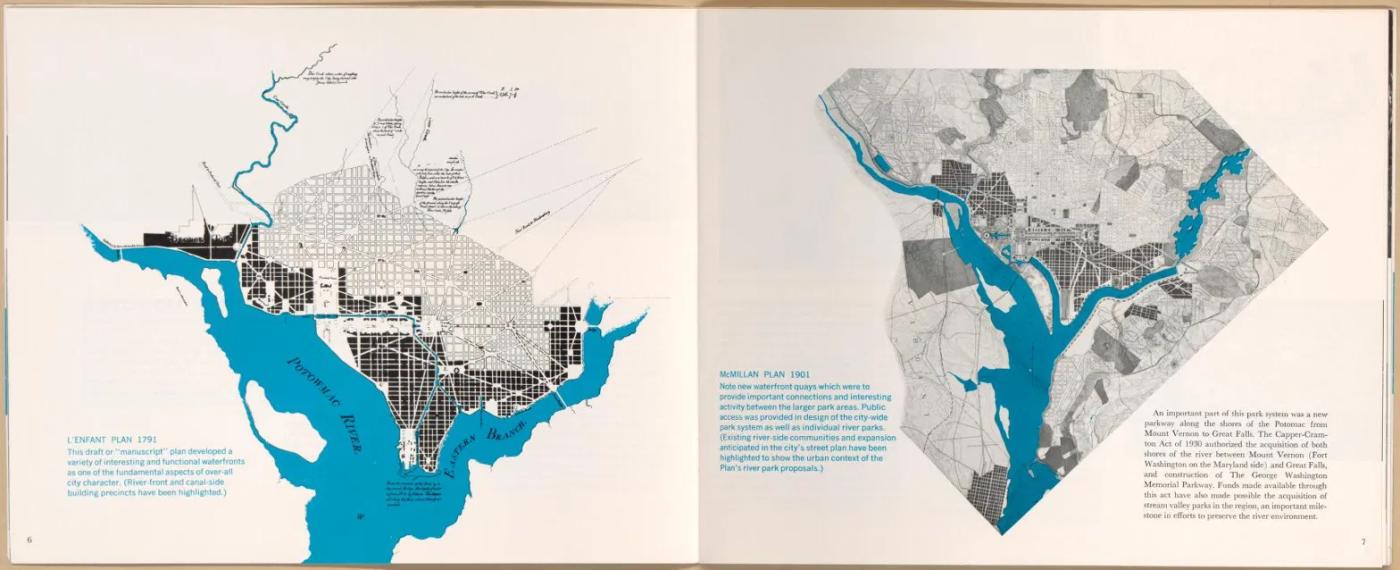
Washington appointed a three-man commission to oversee the project, and in one of his first decisions, he hired Major Pierre Charles L'Enfant, a French-born military engineer who had served alongside Lafayette during the Revolution, to design the city's street plan. L'Enfant's vision was spectacular and audacious: a grand baroque city of diagonal avenues slicing across a grid of streets, creating monumental plazas at key intersections, with a great public mall stretching from the Capitol building to the river. He imagined fountains, monuments, and a city that would rival Paris. There was just one problem with L'Enfant: he was completely impossible to work with.[13]
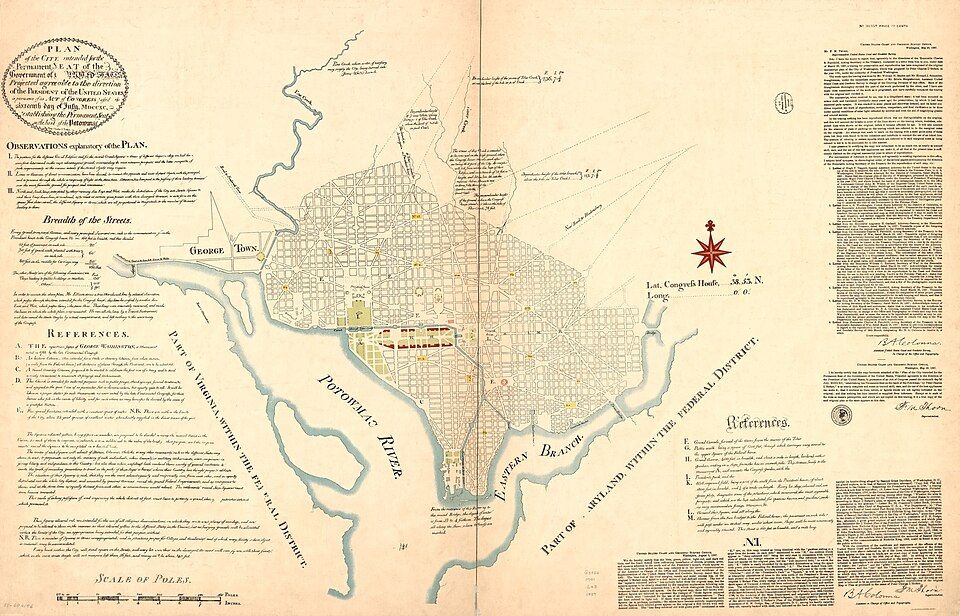
L'Enfant refused to share his plans with the commissioners, refused to produce maps for the engravers who needed them to sell city lots and fund construction, and — in one extraordinary act of arrogance that sealed his fate — demolished a house being built by one of the most politically powerful landowners in the district because it was encroaching on his planned street grid. The landowner was the nephew of a commissioner. Washington, who had enormous patience for difficult men, finally fired L'Enfant in February 1792 after eighteen months of escalating dysfunction. L'Enfant would spend the rest of his life petitioning Congress for payment he believed he was owed, receiving exactly nothing. He died in poverty in 1825. A century later, in a supreme irony, the United States government exhumed his remains and reinterred them with full honors at Arlington National Cemetery, overlooking the city whose design had destroyed him.[14]
The Design Competition and the Mystery of James Hoban
The commissioners decided to hold design competitions for both the Capitol building and the President's House, advertising in newspapers up and down the Atlantic seaboard and in the Caribbean in the spring and summer of 1792. The competitions were, by modern standards, remarkably amateurish. There was no professional jury, no formal judging criteria, and the prize for the winning President's House design was five hundred dollars or a city lot worth approximately that amount. Several of the submissions were anonymous. Some were wildly impractical. One entry, submitted under the initials "A.Z.," was later identified — with some confidence by architectural historians, though not definitively — as having been submitted by Thomas Jefferson himself, in disguise.[15]
Jefferson's alleged entry was based heavily on the Villa Rotonda by Andrea Palladio, the sixteenth-century Italian architect whose work Jefferson considered the summit of classical design. It was a beautiful drawing. It did not win. The winning design was submitted by James Hoban, a thirty-five-year-old Irish-born architect who had emigrated to America after the Revolution and built a successful practice in Charleston, South Carolina. Hoban's design for the President's House drew heavily from Leinster House in Dublin, Ireland — the home of the Duke of Leinster, which Hoban had almost certainly seen before emigrating. In a pleasing historical footnote, Leinster House today serves as the seat of the Irish Parliament, meaning that both the Irish national parliament and the American presidency have been conducted in buildings that share the same architectural parent.[16],[17]
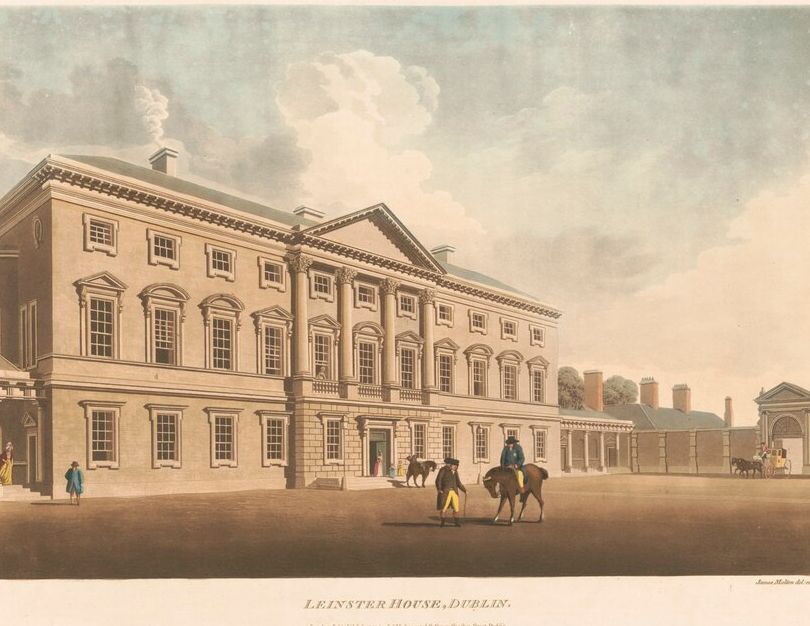
Washington approved Hoban's design but immediately asked that it be scaled up by approximately twenty percent. He felt the original dimensions were too modest for the dignity of the office. This single decision would prove enormously consequential: the enlarged building was substantially bigger than any private residence in America, easily dwarfing Mount Vernon and Monticello, and it would take longer to build and cost more than originally planned. Hoban himself would spend much of the next decade supervising its construction, becoming not just the designer of the White House but its chief builder and one of its earliest residents in a supervisory capacity.[18]
Sandstone, Lime, and a Paint Job That Named a Building
The building material chosen for the President's House was Aquia Creek sandstone, quarried from a site in Virginia that was already being used for the Capitol. The workforce that quarried and hauled this stone was a mixed and largely forgotten assembly — Irish and Scottish immigrant laborers, free Black tradesmen, and enslaved African Americans hired out by their owners to the building commissioners, a history the White House Historical Association has formally documented since 2005.[19] The stone itself was a creamy pale gray when freshly cut — attractive enough, but porous and vulnerable to the harsh mid-Atlantic climate, with its summer humidity, winter freezes, and constant exposure to moisture from the nearby Potomac lowlands. Almost immediately after the exterior walls were laid up, the commissioners recognized that the stone would need to be sealed against the elements.[20]
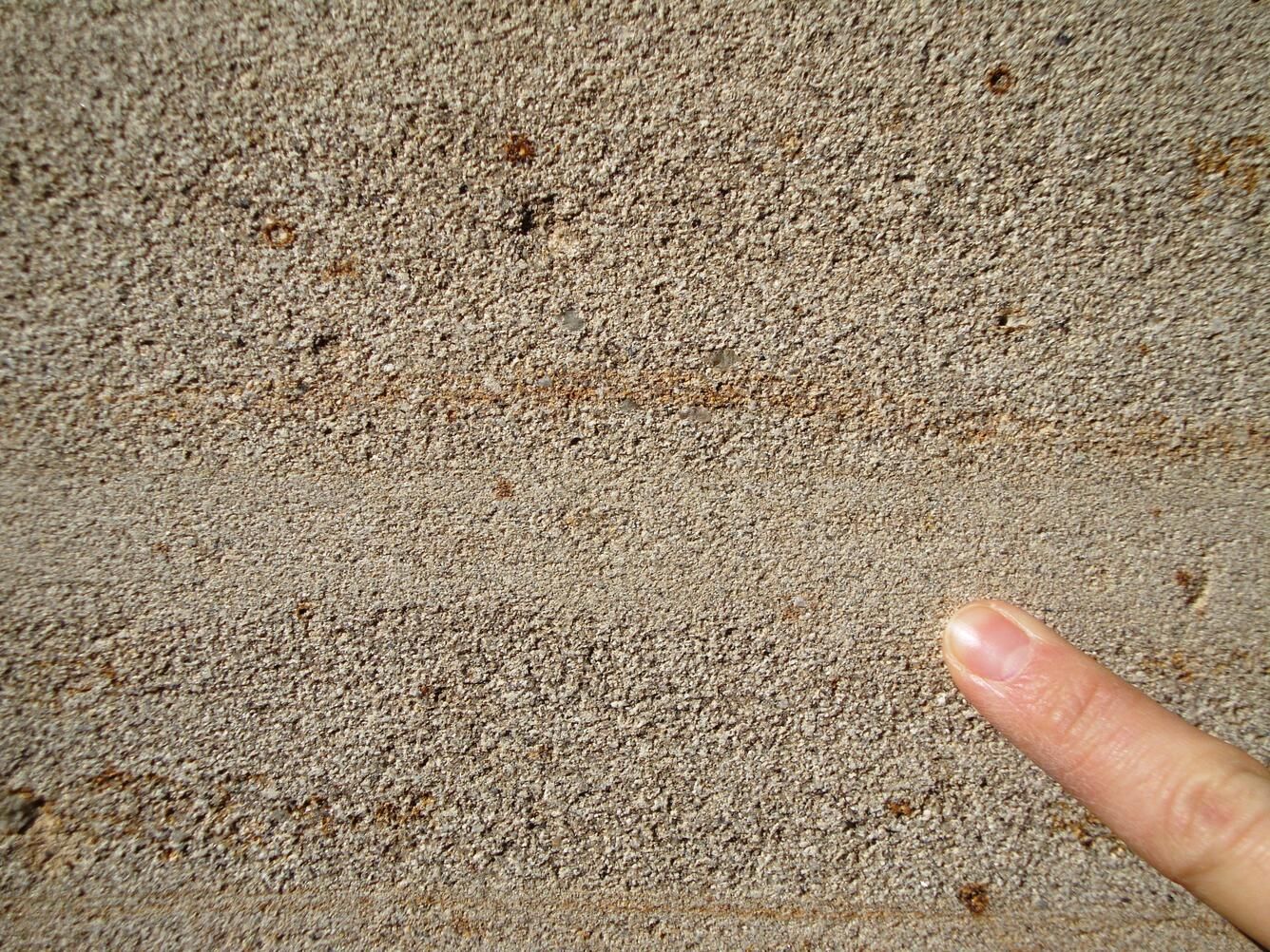
The solution was a lime-based whitewash mixture — a combination of quicklime, rice, and other binding agents — that was applied to the exterior walls beginning around 1798. This whitewash served as a waterproof sealant, protecting the porous sandstone from moisture penetration. It was also, incidentally, bright white, giving the building a gleaming appearance quite unlike the warm gray of the natural stone. Contemporary visitors began referring to the building informally as the "White House" as early as 1798 or 1799, though this name would not become the official designation until Theodore Roosevelt formally adopted it in 1901. For the first century of its existence, the building was officially called the "President's House" or the "Executive Mansion." The name "White House" was always just what people called it.[21][22]
Another fascinating construction detail: the Aquia Creek sandstone, despite being a reasonable local material, was actually somewhat inferior for monumental construction. It was relatively soft and prone to weathering. The commissioners and builders knew this but used it anyway because it was nearby, available, and affordable. The limestone that would have been more durable was much harder to obtain in sufficient quantities. The choice was driven by budget and logistics, not aesthetics — a very human compromise that the building would pay for repeatedly over the centuries as the stone required protection, patching, and eventually the thick coatings of paint that now define its iconic appearance.[23]
A Capital Riddled with Dysfunction: The Washington Years, 1793–1797
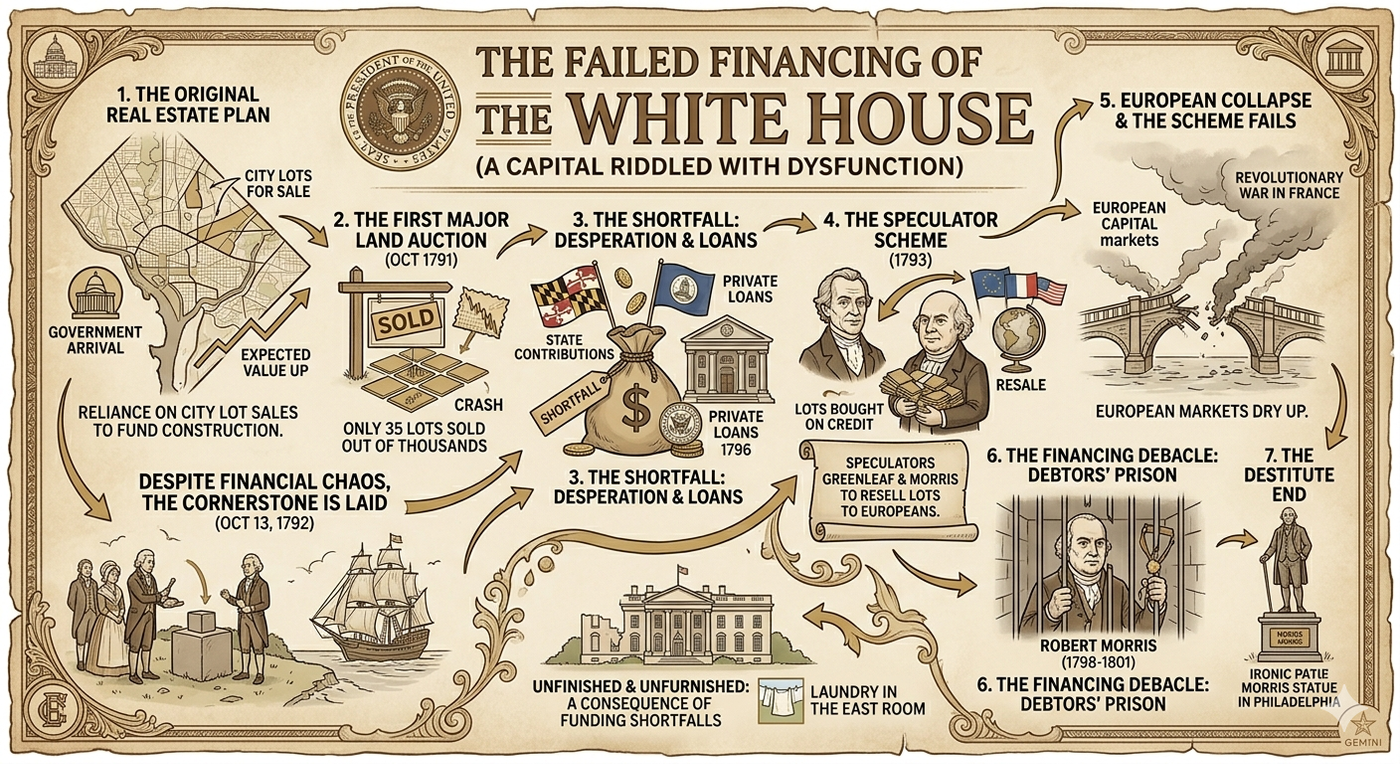
The practical challenges of building an entirely new city from scratch on a swampy river plain were staggering, and the project was chronically underfunded almost from the start. The financing scheme relied on the sale of city lots — the theory being that the value of real estate in the new federal city would skyrocket once the government arrived, allowing lot sales to fund construction. This theory proved wildly optimistic. Early land auctions were disasters. At the first major sale in October 1791, only thirty-five lots were sold out of thousands available, raising a fraction of what was needed.[24]
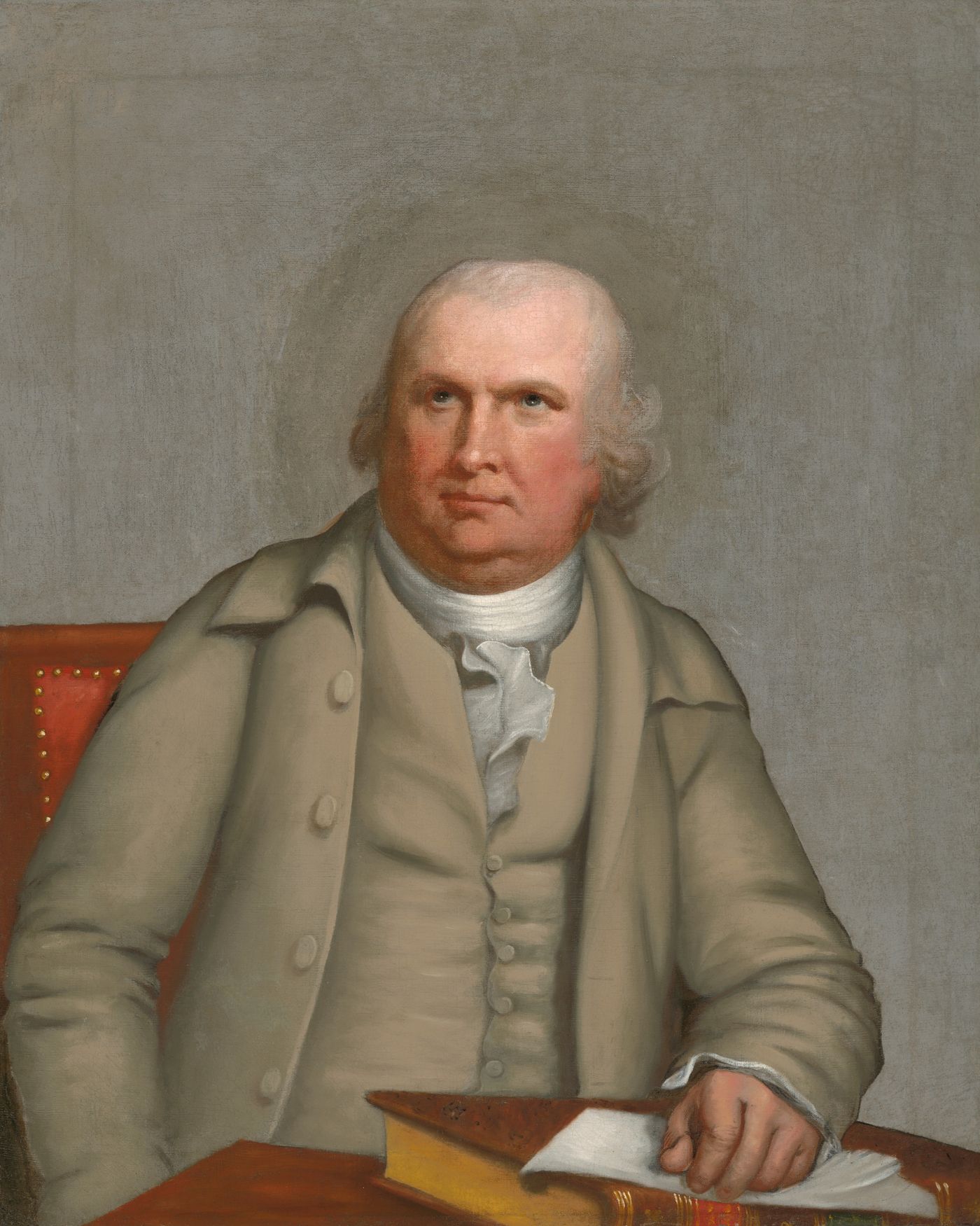
The commissioners turned to private loans, to Maryland and Virginia for public contributions, and eventually — in 1796 — to a loan from the Bank of Columbia. They also had to contend with a spectacular real-estate fraud engineered by two speculators named James Greenleaf and Robert Morris. Morris, one of the principal financiers of the American Revolution and a signer of both the Declaration of Independence and the Constitution, purchased an enormous number of city lots on credit in 1793 with the intention of reselling them to European investors at a profit. The scheme collapsed when European capital markets dried up following the outbreak of revolutionary wars in France. Morris, once called "the financier of the Revolution," ended up in debtors' prison in Philadelphia from 1798 to 1801 — the very years the capital was being completed. He died nearly destitute in 1806.[25]
Construction on the President's House itself was slow, interrupted repeatedly by funding shortfalls, labor shortages, and the sheer logistical difficulty of obtaining building materials in a remote location with poor roads. The cornerstone was laid on October 13, 1792 — a date chosen, some historians have noted, for its proximity to the three hundredth anniversary of Columbus's landfall in the Americas on October 12, 1492. The symbolic resonance was entirely intentional. But symbolism does not pour foundations. By the time Washington left office in March 1797, the building was far from complete, and no president had yet set foot in it as a residence.[26]
John Adams Moves In: A Cold, Damp, Unfinished Palace
The honor of being the first president to occupy the White House fell to John Adams, who arrived in Washington City in June 1800 to oversee the government's transition from Philadelphia. Adams himself moved into the President's House on November 1, 1800 — his wife Abigail joining him two weeks later, after a harrowing journey through the Virginia wilderness during which her coachman got hopelessly lost in the forests south of Baltimore. She was eventually rescued by a passing stranger who knew the road.[27]
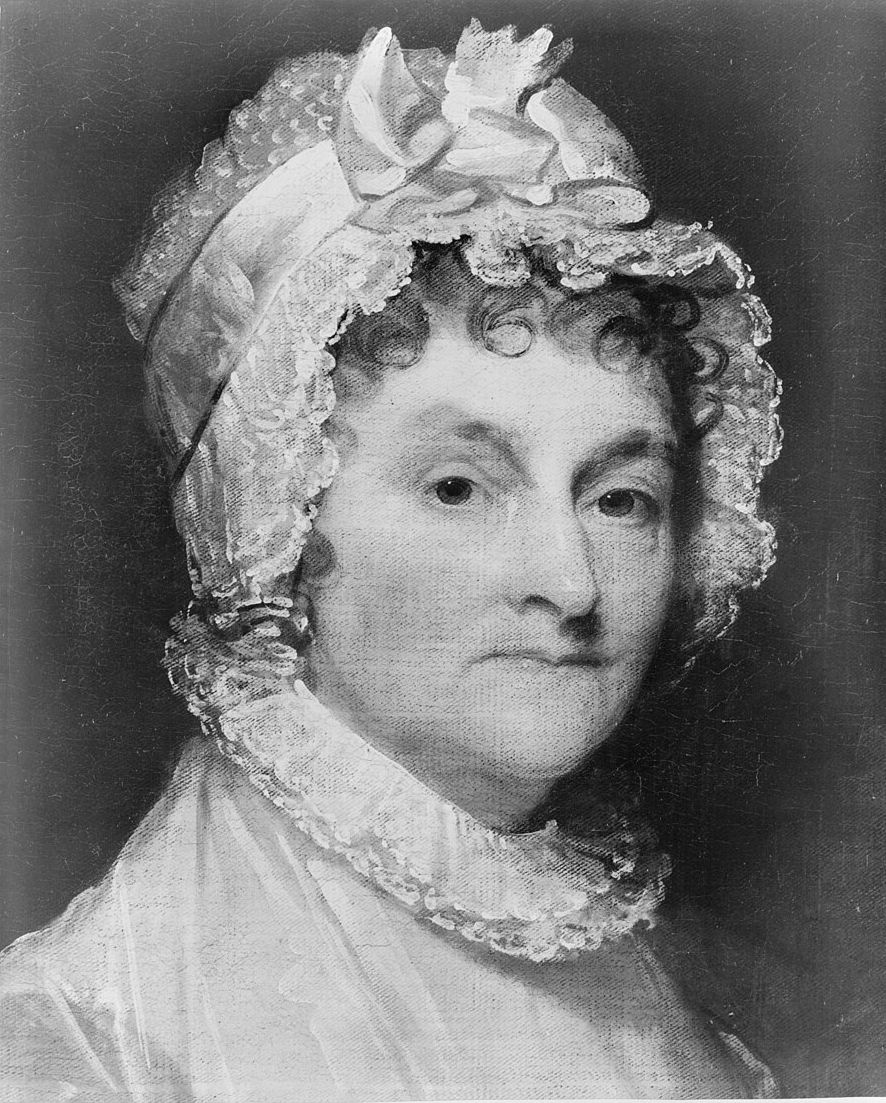
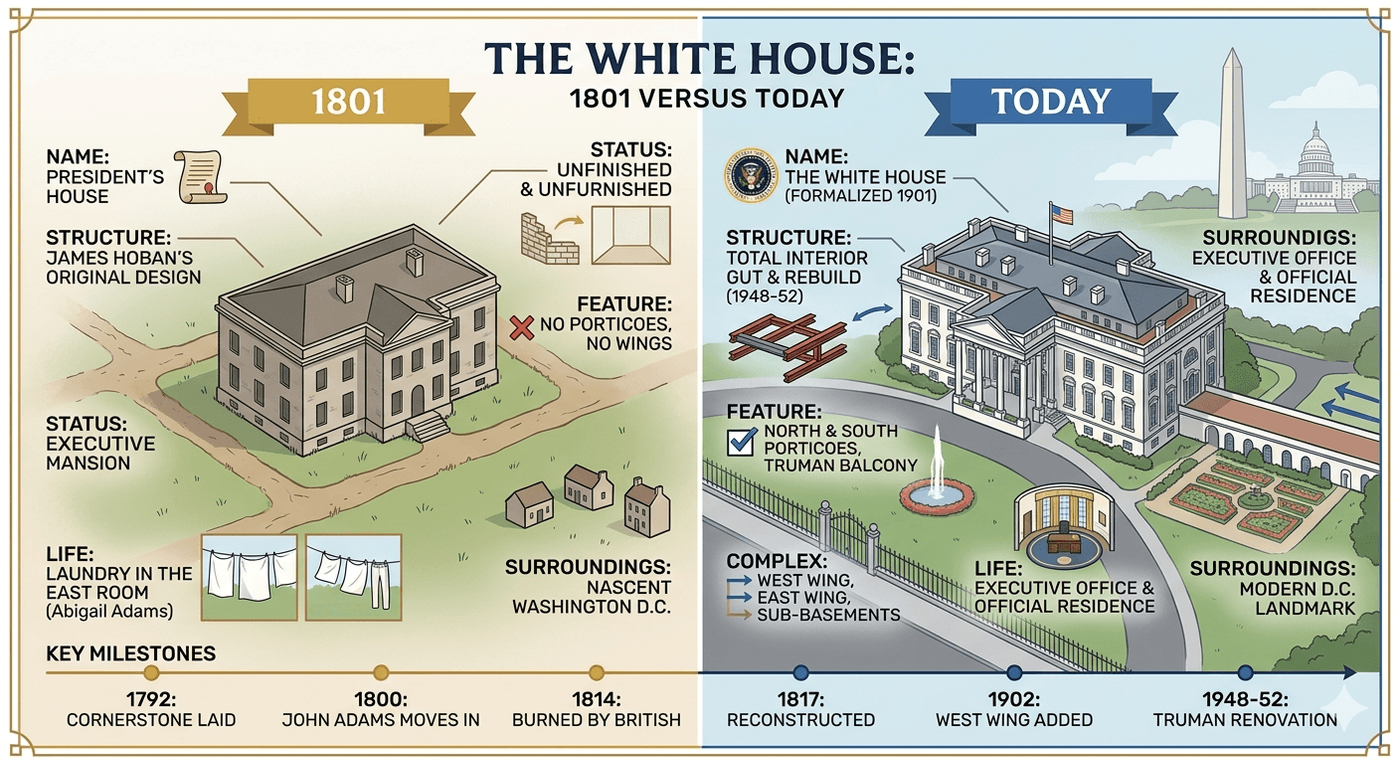
What they found when they arrived was not the gleaming executive mansion of later American imagination. The building was barely habitable. Only six rooms had been plastered. The main staircase had not yet been built. The grounds were littered with construction debris, worker shacks, dried mortar, and lumber. There was no running water; water had to be hauled from a spring five blocks away. The fireplaces smoked badly because the chimneys had not been properly finished. Abigail Adams, a woman of exceptional fortitude and acid wit, managed to find the appropriate perspective: she strung the family laundry to dry in the vast, echoing audience chamber on the second floor — the room that would later become the East Room — because it was the only room large enough and with enough wall space to hang the ropes.[28]
In a famous letter to her daughter, written on November 21, 1800, Abigail described the new capital with a mixture of awe and exasperation but in order to keep up appearances, told her daughter how to answer people who ask how she is like it.
When asked how I like it, I say that I wrote you it was a beautiful situation. So it is... But you must keep all this to yourself, and when asked how I like it, say that I write you the situation is beautiful.[29]
On his second night in the home, John Adams composed a prayer — a prayer that Franklin Roosevelt later had carved into the mantelpiece of the State Dining Room, where it remains to this day.[30]
I pray heaven to bestow the best of blessings on this house and all that shall hereafter inhabit it. May none but honest and wise men ever rule under this roof.[31]
The staff situation was equally improvised. Adams brought eleven servants to Washington, though the building required far more to run properly. The grounds around the house were, in the winter of 1800, essentially an open field. Pennsylvania Avenue — the grand diagonal boulevard that L'Enfant had planned to connect the President's House to the Capitol — was a muddy, rutted track lined with a few scattered buildings, stumps, and weeds. The distance between the two ends of the government was so great and the road so poor that officials frequently arrived to appointments caked in mud from their carriages. One congressman described the avenue as:
a fine place to die, but not to live.[32]
Curious Details: Ghosts, Gardens, and a Very Peculiar Oval Room
The architectural details of Hoban's original design contained a number of features that have been nearly forgotten. The original plan included a central oval salon on the south side of the building — the ancestor of the modern Oval Office, though that room would not appear until William Howard Taft's 1909 renovation of the West Wing. The oval shape was not merely aesthetic: it reflected a very deliberate political philosophy. An oval room has no head of the table, no position that is architecturally superior to any other. Washington, who was deeply conscious of the republican optics of his every move, had used oval rooms in his Philadelphia residence for formal receptions specifically because the shape allowed him to greet visitors without anyone being required to stand at his right hand or left hand — the traditional marks of royal favor.[33]
The original building also had no north portico — the iconic columned entrance facing Pennsylvania Avenue that most people associate with the White House today. The north portico was not added until 1829–1830, under the administration of Andrew Jackson. The south portico, facing the grounds and the Potomac, was added slightly earlier, in 1824, under James Monroe. The building that Adams moved into in 1800 was therefore a somewhat plainer structure than the one familiar to modern viewers, with flat facades and no grand columned entrances. The visual drama that modern tourists associate with the building came later.[34]
One of the quirkiest facts about the original construction is that the building was designed with hidden service passages connecting the basement to the grounds, allowing servants to move coal, wood, and supplies without being seen by visitors in the grand rooms above. The idea of invisible service corridors was a hallmark of aristocratic European architecture, transplanted somewhat incongruously into a building that was supposed to represent the end of aristocracy. Jefferson, who moved in after Adams in March 1801, was so uncomfortable with the monarchical scale of the building that he immediately began plans to make it appear smaller from the outside, adding the low colonnaded wings on either side that disguised the utilitarian outbuildings as tasteful architectural features.[35]
The President's House sat on an eighteen-acre plot, though most of those acres were, in 1800, essentially a bog. Washington had envisioned formal gardens in the European manner, with geometric parterres and ornamental walks. The reality was rather different. The grounds were swampy, poorly drained, and during wet seasons virtually impassable. Workers during construction had repeatedly lost tools and materials in the mire. The formal gardens of the modern White House — the Rose Garden, the East Garden — were improvements that came over a century later. The earliest residents essentially lived on a muddy construction site surrounded by woodland and wetland.[36]
What the Building Meant: Symbol of the Republic
Despite all its problems — the mud, the unfinished rooms, the smoky chimneys, the laundry hanging in the state chamber — the President's House meant something profound to ordinary Americans of the founding era. This was not the palace of a king, built with centuries of dynastic wealth and the labor of a feudal peasantry. This was a house built by a republic, in twelve years, from nothing — on a piece of land that had been swampland and tobacco fields within living memory. European monarchies had palaces that had stood for five hundred years. America's executive residence was, in 1800, still wet.[37],[38]
Yet this very rawness carried its own symbolic power. The new capital city, imperfect and incomplete as it was, argued by its very existence that something new had come into the world. When Adams held his first public reception at the President's House on New Year's Day, 1801 — throwing open the doors to any citizen who wished to come and greet the president — the symbolism was unmistakable. There was no throne, no guard of nobles, no protocol of obeisance. Citizens walked in off Pennsylvania Avenue, shook the president's hand, and walked out. The building said, in brick and mortar and whitewash: this is your house. Your president lives here as your servant, not your sovereign.[39],[40]
The 12-year arc from the first congressional proposition in March 1789 to Jefferson's arrival in March 1801 encompassed one of the most turbulent decades in American political life. The Federalists and the Republicans had nearly torn the country apart over the question of what kind of republic America would be. The peaceful transfer of power from Adams to Jefferson in March 1801 — which took place in the still-unfinished Capitol just up Pennsylvania Avenue — would prove to be the true completion of what the new city and its institutions stood for. Jefferson walked to his inauguration from his boarding house down the street. No king had ever done that. No king would ever do that.[41]
Conclusion: One House, One Republic, Still Standing
In March 1789, in a rented hall in New York City, a young republic's first Congress spoke the idea aloud for the first time: a permanent home for the government of the United States. The Senate voted to postpone. The idea refused to die. In March 1801, Thomas Jefferson walked into the President's House on the banks of the Potomac and took up residence.
In between those two Marches, a swamp had been surveyed and named. An impossible Frenchman had drawn the plans of one of the greatest cities in American history and been fired for his trouble. An Irish immigrant had won a design competition with a drawing borrowed from a Dublin nobleman's house. A lime-based whitewash had been brushed across porous sandstone walls, and ordinary people had started calling the building by a name it would not officially bear for another century. Abigail Adams had hung her laundry in the state room. John Adams had prayed over the fireplaces. And then, on a cold March morning in 1801, power passed peacefully from one man to his political enemy — through a free election, without a single shot fired.
The full, human, messy story of how the White House came to be is more inspiring than any sanitized mythology, precisely because it is so recognizably human — driven by self-interest and grand vision in equal measure, shaped by compromise and accident, and ultimately redeemed by the idea it was built to represent and the grit of its citizens. One hundred and forty-four months. One house. One republic. Still standing.
Important Dates
The First Congress convenes in New York and, at its very first session, a proposal is raised to fix a permanent seat for the federal government.
Jefferson hosts the dinner where Hamilton and Madison strike the deal trading debt assumption for a Potomac River capital.
The Residence Act passes, giving Washington authority to choose the exact site and appoint commissioners to build it.
The first major land auction sells only 35 of thousands of lots, exposing the financing crisis that would plague construction for years.
Pierre Charles L'Enfant is fired as the city's planner after refusing to share his plans and clashing with the commissioners.
The cornerstone of the President's House is laid, deliberately timed near the 300th anniversary of Columbus's 1492 landfall.
Workers apply a lime whitewash to seal the sandstone exterior, and locals begin informally calling it "the White House."
John Adams becomes the first president to move into the still-unfinished President's House.
Jefferson's inauguration and move-in close the twelve-year arc with the republic's first peaceful transfer of power between rival parties.
"The White House" becomes the building's official name under Theodore Roosevelt, a century after the nickname first caught on.
Frequently Asked Questions
When was the White House built?
Construction began with the cornerstone laid in October 1792, and the building was first occupied on November 1, 1800, when John Adams moved in. At that point it was still unfinished, with only six rooms plastered and no main staircase.
Why is the White House called the White House?
Around 1798, workers applied a lime-based whitewash to seal the porous Aquia Creek sandstone exterior, giving the building its distinctive white color. Locals began informally calling it "the White House" almost immediately, though the name wasn't made official until 1901 under Theodore Roosevelt.
Who designed the White House?
Irish-born architect James Hoban won the 1792 design competition with a plan modeled on Leinster House in Dublin, which today serves as the seat of the Irish Parliament. George Washington approved the design but asked Hoban to scale it up by about twenty percent to better suit the dignity of the office.
Why was the White House built on the Potomac River?
The site was chosen as part of the Compromise of 1790, in which Southern states backed Hamilton's plan for the federal government to assume state war debts in exchange for placing the permanent capital on the Potomac. George Washington personally selected the exact location, and notably held a financial stake in a company working to make the river commercially navigable.
Who was the first president to live in the White House?
John Adams became the first president to occupy the White House when he moved in on November 1, 1800, with his wife Abigail joining him two weeks later. The building had no running water and unfinished chimneys that filled the rooms with smoke, forcing Abigail to hang laundry in what is now the East Room.
What happened to Pierre L'Enfant, the original planner of Washington, D.C.?
L'Enfant, hired to design the layout of the new capital, was fired in February 1792 after refusing to share his plans and repeatedly clashing with the project's commissioners. He died in poverty in 1825, though a century later his remains were reinterred with full honors at Arlington National Cemetery.
Did George Washington ever live in the White House?
No — despite personally selecting the site, approving Hoban's design, and overseeing construction throughout his presidency, Washington left office in March 1797 before the building was finished and never lived there. John Adams became the first president to occupy it, moving in on November 1, 1800.
Citations
- Bradford, Alden. History of the Federal Government, for Fifty Years: from March, 1789, to March, 1839. Boston: Samuel G. Simpkins, 1840. Primary source documenting the First Congress's proposition for a permanent seat of government at its first session (March 1789) and the Senate's vote to postpone; also records the passage of the Residence Act in July 1790 at the second session. Available digitally via the Library of Congress: https://tile.loc.gov/storage-services/public/gdcmassbookdig/historyoffederal01brad/historyoffederal01brad.pdf ↑
- Elkins, Stanley, and Eric McKitrick. The Age of Federalism: The Early American Republic, 1788–1800. New York: Oxford University Press, 1993. See pp. 155–163. ↑
- Elkins, Stanley, and Eric McKitrick. The Age of Federalism: The Early American Republic, 1788–1800. New York: Oxford University Press, 1993. See pp. 155–163. ↑
- Bowling, Kenneth R. The Creation of Washington, D.C.: The Idea and Location of the American Capital. Fairfax, VA: George Mason University Press, 1991. ↑
- Ellis, Joseph J. Founding Brothers: The Revolutionary Generation. New York: Alfred A. Knopf, 2000. See pp. 48–80. ↑
- Bradford, Alden. History of the Federal Government, for Fifty Years: from March, 1789, to March, 1839. Boston: Samuel G. Simpkins, 1840. Primary source documenting the First Congress's proposition for a permanent seat of government at its first session (March 1789) and the Senate's vote to postpone; also records the passage of the Residence Act in July 1790 at the second session. Available digitally via the Library of Congress: https://tile.loc.gov/storage-services/public/gdcmassbookdig/historyoffederal01brad/historyoffederal01brad.pdf ↑
- Kapsch, Robert J. Historic American Engineering Record: The C&O Canal. Washington, DC: National Park Service, 2007. ↑
- Bradford, Alden. History of the Federal Government, for Fifty Years: from March, 1789, to March, 1839. Boston: Samuel G. Simpkins, 1840. Primary source documenting the First Congress's proposition for a permanent seat of government at its first session (March 1789) and the Senate's vote to postpone; also records the passage of the Residence Act in July 1790 at the second session. Available digitally via the Library of Congress: https://tile.loc.gov/storage-services/public/gdcmassbookdig/historyoffederal01brad/historyoffederal01brad.pdf ↑
- Arnebeck, Bob. Through a Fiery Trial: Building Washington 1790–1800. Lanham, MD: Madison Books, 1991. ↑
- Nicolay, Helen. Our Capital on the Potomac. New York: The Century Co., 1924. ↑
- Seale, William. The White House: The History of an American Idea. Washington, DC: American Institute of Architects Press, 1992. ↑
- Nicolay, Helen. Our Capital on the Potomac. New York: The Century Co., 1924. ↑
- Berg, Scott W. Grand Avenues: The Story of the French Visionary Who Designed Washington, D.C. New York: Pantheon, 2007. ↑
- Berg, Scott W. Grand Avenues: The Story of the French Visionary Who Designed Washington, D.C. New York: Pantheon, 2007. ↑
- Padover, Saul K., ed. Thomas Jefferson and the National Capital. Washington, DC: U.S. Government Printing Office, 1946. ↑
- Seale, William. The President's House: A History. 2 vols. Washington, DC: White House Historical Association / National Geographic Society, 1986. ↑
- Seale, William. The White House: The History of an American Idea. Washington, DC: American Institute of Architects Press, 1992. ↑
- Seale, William. The President's House: A History. 2 vols. Washington, DC: White House Historical Association / National Geographic Society, 1986. ↑
- Arnebeck, Bob. Through a Fiery Trial: Building Washington 1790–1800. Lanham, MD: Madison Books, 1991. ↑
- Arnebeck, Bob. Through a Fiery Trial: Building Washington 1790–1800. Lanham, MD: Madison Books, 1991. ↑
- Seale, William. The President's House: A History. 2 vols. Washington, DC: White House Historical Association / National Geographic Society, 1986. ↑
- Seale, William. The White House: The History of an American Idea. Washington, DC: American Institute of Architects Press, 1992. ↑
- Arnebeck, Bob. Through a Fiery Trial: Building Washington 1790–1800. Lanham, MD: Madison Books, 1991. ↑
- Arnebeck, Bob. Through a Fiery Trial: Building Washington 1790–1800. Lanham, MD: Madison Books, 1991. ↑
- Arnebeck, Bob. Through a Fiery Trial: Building Washington 1790–1800. Lanham, MD: Madison Books, 1991. ↑
- Arnebeck, Bob. Through a Fiery Trial: Building Washington 1790–1800. Lanham, MD: Madison Books, 1991. ↑
- McCullough, David. John Adams. New York: Simon & Schuster, 2001. See pp. 540–560. ↑
- Adams, Abigail. Letter to Mary Smith Cranch, November 21, 1800. In New Letters of Abigail Adams, 1788–1801, edited by Stewart Mitchell. Boston: Houghton Mifflin, 1947, pp. 257–259. ↑
- Adams, Abigail. Letter to Mary Smith Cranch, November 21, 1800. In New Letters of Abigail Adams, 1788–1801, edited by Stewart Mitchell. Boston: Houghton Mifflin, 1947, pp. 257–259. ↑
- Adams, John. Prayer inscribed in letter, November 2, 1800. Adams Family Papers, Massachusetts Historical Society. Also in: McCullough, David. John Adams. New York: Simon & Schuster, 2001, p. 553. ↑
- Adams, John. Prayer inscribed in letter, November 2, 1800. Adams Family Papers, Massachusetts Historical Society. Also in: McCullough, David. John Adams. New York: Simon & Schuster, 2001, p. 553. ↑
- Young, James Sterling. The Washington Community 1800–1828. New York: Columbia University Press, 1966. ↑
- Seale, William. The White House: The History of an American Idea. Washington, DC: American Institute of Architects Press, 1992. ↑
- Seale, William. The President's House: A History. 2 vols. Washington, DC: White House Historical Association / National Geographic Society, 1986. ↑
- Padover, Saul K., ed. Thomas Jefferson and the National Capital. Washington, DC: U.S. Government Printing Office, 1946. ↑
- Arnebeck, Bob. Through a Fiery Trial: Building Washington 1790–1800. Lanham, MD: Madison Books, 1991. ↑
- Seale, William. The President's House: A History. 2 vols. Washington, DC: White House Historical Association / National Geographic Society, 1986. ↑
- Young, James Sterling. The Washington Community 1800–1828. New York: Columbia University Press, 1966. ↑
- Young, James Sterling. The Washington Community 1800–1828. New York: Columbia University Press, 1966. ↑
- McCullough, David. John Adams. New York: Simon & Schuster, 2001. See pp. 540–560. ↑
- McCullough, David. John Adams. New York: Simon & Schuster, 2001. See pp. 540–560. ↑